
How Social Media is Educating Gen Z About Women’s Health
May 5, 2026
How Social Media is Educating Gen Z About Women’s Health
Written by: Carleigh McFarlane
Have you ever been in a situation where you spend months experiencing mysterious and unexplainable pain, but when you finally get time with your doctor, you walk out of the appointment with less money, more questions, and no relief for ongoing symptoms?
Sometimes, the reality of seeing your healthcare provider is more about promises of monitoring symptoms in hopes they don’t get worse, while not finding the relief or answers you were seeking. As a woman, it is easy to feel dismissed and exhausted. Oftentimes, hormones and periods are the easy answers for women’s suffering. Then, while sitting in your car, you open TikTok.
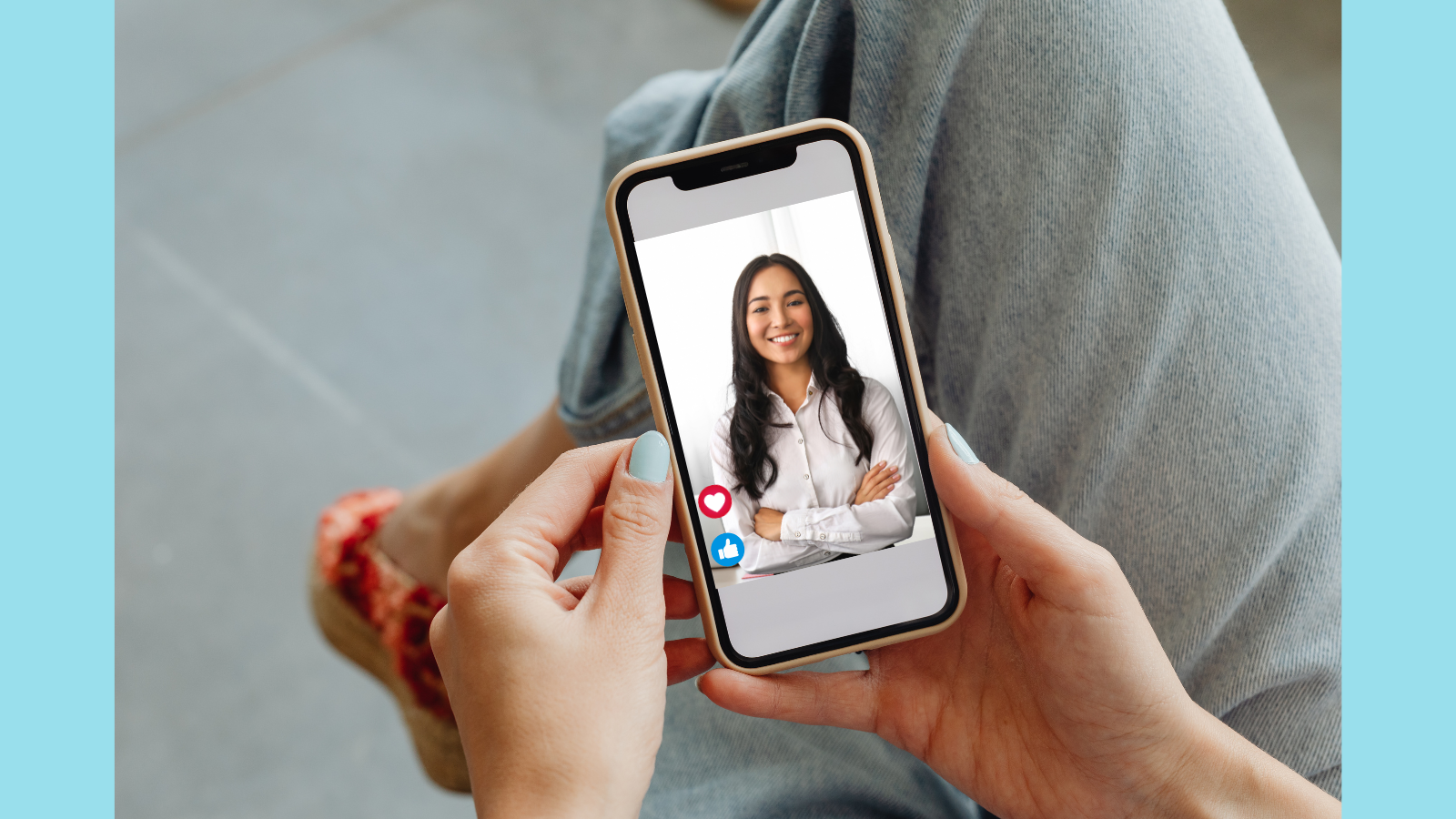
Within three to five minutes of searching and scrolling, a creator describes your exact symptoms, names a condition you aren’t familiar with, explains what labs and tests you should request from your doctor for a diagnosis, and offers advice for symptom relief in the meantime. A mystery the doctors couldn’t solve for you just minutes ago was decoded by a stranger in a 60-second clip on the internet.
This is the reality of many young women today. We are witnessing a massive migration from traditional search engines toward social media platforms. There is a clear relatability gap between corporate healthcare benefits and the needs of young employees. Younger workers often struggle to schedule time with their primary care providers or health clinics when their schedules are packed with onboarding, training, meetings, and other projects associated with entering the workforce.
Because of this, we are seeing an online empowerment of women’s health information and education. Gen Z women are leveraging social media to crowdsource healthcare because traditional systems and employer-provided resources often fail to address the nuance of the female experience. These women are trading institutional authority for digital relatability and peer-led support. To understand the shift, we must look at how the search for answers has moved from the library to the digital feed.
Digital Health Consumption
TikTok has transitioned into a critical piece of health information infrastructure for young women. It is no longer just an app for dance trends. It can be used as a survival tool. According to researchers at the University of Nebraska-Lincoln and the University of Missouri, TikTok has attracted substantial attention following recent reports suggesting it has emerged as a significant source of information for many Americans. For some users, TikTok has replaced traditional news networks and widely used search engines such as Google. This is not a coincidence. In a survey of 1,172 women ages 18 to 29, over 87% reported using the platform, and 65.5% intentionally sought healthcare advice or information (Kirkpatrick and Lawrie).
This data represents an intentional migration of a generation. When 92.4% of survey respondents reported unintentionally obtaining health information, it suggests that medical education is becoming a constant background element of daily lives for Gen Z (Kirkpatrick and Lawrie). Gen Z uses social media more frequently than previous generations of workers. Usage is driven by the speed of the app and a need for a different type of validation. Quick information is a good starting ground. It is often the jumping-off point for people seeking professional healthcare.
The motivation behind digital health consumption for Gen Z women is a direct response to historical gender bias found in professional medicine. We are not scrolling because we are too lazy to go to the doctor. We are scrolling because we are looking for the care that we have been denied in person. Researchers at McKinsey & Company note that the trend toward consuming content online and relying foremost on the internet for not only information but also insight is evident in healthcare, where there is a declining reliance on providers with each successive generation (Ramish, Andrew, et al.). This occurs because women have historically experienced poorer treatment or gender bias in healthcare settings. Therefore, they are motivated to seek social support and health information from people similar to them.
Digital Platform Framework
The framework of social media follows the SLIM acronym, “sharing, learning, interacting, and marketing,” as outlined by researchers at Sacred Heart University (Hubler). This helps explain why a peer’s social media video feels more educational than a generic HR document. A peer can offer relatability to a shared personal experience that a clinical setting frequently lacks. When you see someone who looks like you and works a job like yours talking about their health, it feels real. The interaction you can have with someone on social media might resonate better than an informational PDF from your insurance provider. This peer-to-peer model is most powerful when discussing topics that remain taboo in today’s workplace.
Digital platforms enable the “co-creation” of health information on reproductive topics that are often glossed over by standard employer benefits. While most companies provide a health insurance card, they rarely provide a playbook for managing a health crisis in the middle of a workday. Isha Nair and other researchers at Purdue University point out that the growing prevalence of social media has provided healthcare professionals with a platform to effectively share health information and public health interventions with over 1 billion users worldwide (Nair, Isha, et al.). Beyond healthcare professionals, users are participating in trends to share information involving periods, birth control, infertility, and other women’s health conditions. They also discuss how these health journeys impact their romantic, platonic, familial, and professional relationships.
As more users access social media platforms for health information, we must be cautious. Researchers at Sacred Heart University have identified an “Instagram Culture” where the pressure to conform to beauty standards or a curated lifestyle can complicate authentic health education (Hubler). Sometimes, the line between a helpful health tip and an aesthetic trend gets blurred. It is easy to feel like your health journey has to look perfect to be valid.
Despite these complications, the core reason for this shift remains the same. Gen Z women are self-educating because traditional models do not keep pace with the need for accessible, relatable, and gender-informed care. We are not waiting for their system to catch up. Employers and providers must decide whether to join the conversation about how social media can be used as a tool for healthcare or to continue being outpaced by the power of the shared story.

How we can help
Led by Trish Steed and Steve Boese, H3 HR Advisors harnesses over 40 years of experience to delivery HCM insights and guidance to global organizations.
H3 HR Advisory services
By leveraging technology, analytics, and our deep industry knowledge we can help you to reposition your workforce and ensure that you have the right people with the right capabilities in the right roles to positively impact the growth of your business.
HR Happy Hour Podcast Network
Created in 2009, The HR Happy Hour Show is hosted by Steve Boese and Trish Steed and is the longest continuously running internet radio show and podcast on Human Resources, HR Technology, Talent Practices, Workplace and Leadership topics.
H3 HR Speaking Services
We work closely with every client to customize your content - keynotes, webinars, research, infographics, and buyer’s guides - to inspire, educate and inform the audience enabling you to reset and realign your organization for a talent-led breakthrough.
Get in touch
Talk to us today and find out how we can help you and your organization leverage HCM technology to attract, onboard, retain and manage top talent.